Contextualizing Conversions to Your Consumers
After more than a decade of helping consumers convert through their preferred retailers, ChannelSight has developed deep expertise in last-mile and closed-loop analysis. This has enabled brands to gain a clear — and sometimes stark — understanding of the true performance of their conversion campaigns.
However, this level of transparency can occasionally create tension. Brands are not always prepared to discover that when they drive traffic through media to retailers such as Tesco, Walmart, or Amazon, their conversion rates may fall short of static forecasts. These insights can impact budget allocations and commercial relationships and have increasingly led agencies to favour retail DSPs for media spend because of the additional attribution they provide.
At the same time, this approach can limit brands’ flexibility. It often restricts media inventory and prioritises a small group of retailers, rather than allowing brands to maintain broader retailer representation and give consumers genuine choice in where they purchase.
What’s the solution?
It starts with aligning success metrics to the specific stage of the consumer journey you are trying to influence, while also ensuring your ad platform is working harder for you. Allowing interactions that occur outside of the immediate campaign objective should contribute meaningful value to your broader marketing strategy. For example:
- Page views can serve as a strong indicator of awareness.
- Engaged sessions can be used to measure consideration.
- Click-outs should represent your conversion intent.
- And where possible, transactions remain the ultimate signal — the “holy grail” — helping to inform high-value buying audiences and enabling the creation of new, more effective audience segments.
Sounds good - but how?
The key is to contextualise every ad interaction. Each time a consumer leaves an ad channel, you should define what success looks like at that specific moment in the journey. By doing this consistently, you can align campaign optimisation with the real signals of consumer intent.
ChannelSight supports page-level events across most major ad platforms, including TikTok, Pinterest, Meta, and Google Ads. This allows brands to optimise campaigns against meaningful engagement signals such as:
- Page views → indicating awareness generated from impressions
- Time on page (20+ seconds) → signalling engaged sessions and deeper consideration
- Click-throughs to retailer → demonstrating purchase intent
When these signals are synced back into your ad platforms, they enable smarter campaign optimisation — allowing your media strategy to continuously adapt and optimise against the conversion outcomes that matter most. It sounds simple, but so many brands leave these configurations out of their media-tool-kit meaning they’re leaving a lot of untapped value within each ad-platform they use.
Optimizing your campaigns on Google Ads
Aggregating conversions across campaigns allows you to better understand how each touchpoint contributes to overall performance — rather than attributing success solely to the final interaction.
Programmatic campaigns in particular rely on multiple conversion signals to effectively optimise bidding strategies. For this reason, it’s useful to define both primary and secondary conversions within your campaigns, helping platforms learn and optimise more efficiently.
ChannelSight supports these event signals through Google Tag Manager, making them easy to implement across any brand site or campaign landing page you use. This ensures your conversion data flows directly into Google Ads, enabling more informed optimisation and stronger campaign performance.
- Firstly, configure your events into Google Ads
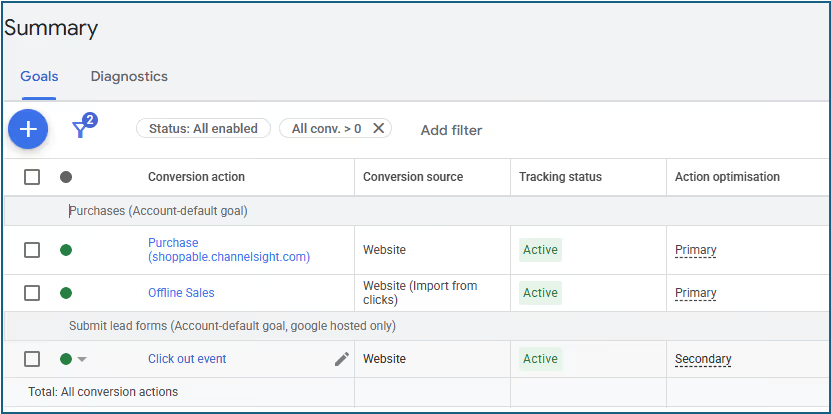
- Create your campaigns and associate a primary and secondary goal
- Use ChannelSight Offline sales to import conversions that happen on retailers / stores
- Your campaigns will start optimizing towards your primary and secondary actions after a few days.
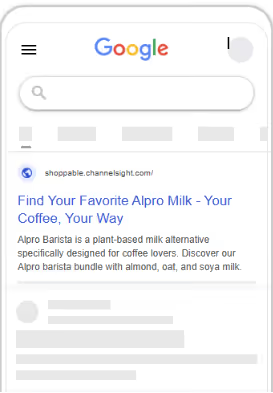
Reviewing and Optimizing Results
Once your campaigns are live, it’s helpful to evaluate success through two complementary lenses:
- Ad efficiency and optimisation — the impact of assigning primary and secondary conversion goals to your Google Ads spend.
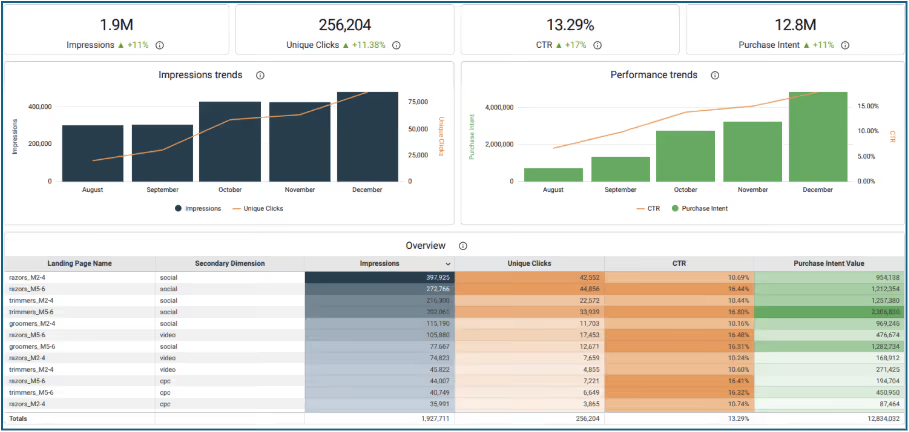
- Campaign funnel performance — ChannelSight’s view of the full journey, from impressions through to sales.
Think of event configuration as turning your ad platform into a kind of pseudo employee — helping guide spend decisions and optimise performance based on the signals you’ve defined. In contrast, the campaign funnel provides a broader view of the consumer journey, highlighting where engagement is strongest and where users may be dropping off.
While these perspectives work together, they inform slightly different actions:
- Events: Help contextualise and optimise marketing performance within ad platforms.
- Campaign funnel insights: Reveal which content, pages and experiences are most effective at moving consumers toward purchase.
ChannelSight Media Funnel
The Results
By combining event-based optimisation with content and journey optimisation, brands using ChannelSight’s shoppable media and off-site retail media solutions are able to generate stronger performance signals while maintaining consumer choice across retailers.
On average, clients leveraging these strategies see:
- CPA reduction: –7%
- Increased scalable spend capacity: +12%
- Improved signal density: +19% audience growth rate
- Projected annual efficiency gain: $64,000 per account/market
These improvements are driven by stronger purchase-intent signals and better campaign optimisation across the consumer journey. If you’d like to start getting your ad-platforms work for you, then don’t hesitate to reach out so we can show you how you can integrate these purchase-events into the heart of your media-strategy.